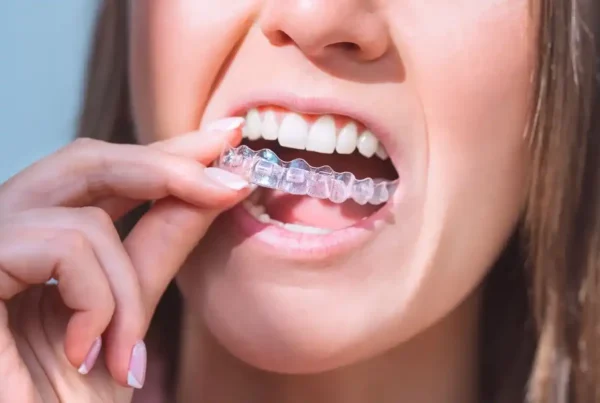

Invisalign isn’t the only way to straighten your teeth with clear aligners or modern orthodontic treatment. Many other excellent options exist that might work better for your specific needs, budget, or lifestyle preferences. Dr. Nazita Gaff and Dr. Brad Labrecque at Laguna Heights Dental in Texas help patients explore all available orthodontic alternatives to find the perfect solution for each unique situation and smile goals.
Understanding Your Orthodontic Options Beyond Invisalign
Modern orthodontics offers many alternatives to Invisalign that can deliver excellent results for different types of dental problems. Clear aligner systems like ClearCorrect work similarly to Invisalign but often cost less and require more frequent dental supervision. Traditional braces have also improved significantly with ceramic brackets that blend with your teeth and lingual braces that hide completely behind your teeth.
Each orthodontic option serves different needs and preferences based on your specific dental situation. Some alternatives work better for complex bite problems while others excel at simple alignment issues. Understanding these differences helps you make informed decisions about your orthodontic care.
Popular alternatives to Invisalign include:
- ClearCorrect clear aligners with professional oversight
- Ceramic braces that blend with your natural tooth color
- Lingual braces that attach to the back of your teeth
- Traditional metal braces for complex movement control
- Byte direct-to-consumer aligners for budget-conscious patients
- SureSmile digital treatment planning with various appliance options
The key to successful orthodontic treatment lies in matching the right system to your individual needs rather than choosing based on popularity alone. What works perfectly for your friend might not be the best choice for your dental situation. Professional evaluation helps identify the most appropriate treatment approach for your specific case.
Comparing Professional Supervision vs Direct-to-Consumer Options
One major difference between orthodontic alternatives involves the level of professional supervision during treatment. Dentist-supervised options like ClearCorrect provide regular monitoring and adjustments throughout your treatment journey. Direct-to-consumer brands like Byte offer convenience and lower costs but with less professional oversight during the process.
Professional supervision offers several important advantages including regular progress monitoring, immediate problem detection, and expert adjustments when needed. Your dentist can identify issues early and make corrections before they affect your final results. This oversight often leads to better outcomes and fewer complications during treatment.
| Treatment Type | Professional Oversight | Cost Range | Best For |
| ClearCorrect | Full dental supervision | $3,000-$5,000 | Complex cases needing monitoring |
| Invisalign | Complete professional care | $4,000-$7,000 | Comprehensive orthodontic needs |
| Byte | Limited remote monitoring | $1,500-$2,500 | Simple alignment with budget focus |
| Traditional Braces | Continuous orthodontic care | $3,000-$6,000 | Complex movements and bite correction |
| Ceramic Braces | Full professional management | $4,000-$8,000 | Aesthetic concerns with full control |
Direct-to-consumer options appeal to patients seeking convenience and lower costs for simple alignment issues. These systems work well for minor crowding or spacing problems in healthy mouths. However, they may not be suitable for complex bite problems or patients with gum disease or other oral health issues.
The level of professional care you need depends on your specific dental situation and comfort level with self-managed treatment. Complex cases typically benefit from continuous professional supervision while simple alignment issues might succeed with remote monitoring approaches.
Evaluating Cost-Effective Treatment Solutions
Budget considerations play a major role in orthodontic treatment decisions for many families. Understanding the true cost of different alternatives helps you make informed financial decisions about your orthodontic care. Cost comparisons should include not just initial treatment fees but also potential additional expenses for refinements or complications.
ClearCorrect often costs less than Invisalign while providing similar clear aligner benefits with professional supervision. Many patients find this option offers the best balance between affordability and professional care quality. Traditional metal braces typically provide the most economical option for comprehensive orthodontic treatment.
Money-saving strategies for orthodontic treatment include:
- Compare total treatment costs including potential refinements
- Investigate insurance coverage for different orthodontic options
- Consider payment plans and financing options available
- Evaluate the value of professional supervision vs cost savings
- Factor in potential costs of complications or retreatment
- Look into HSA or FSA funding for tax-advantaged payment
Insurance coverage varies significantly between different orthodontic treatments and providers. Some plans cover traditional braces more generously than clear aligners while others treat all orthodontic options equally. Verifying your specific insurance benefits helps you understand your out-of-pocket costs for each alternative.
Long-term value considerations include the likelihood of needing retreatment or refinements with different systems. Lower-cost options that require additional treatment later might end up costing more than higher-quality initial treatment. Professional guidance helps you evaluate these long-term cost implications.
Making Smart Treatment Decisions Based on Your Needs
Choosing the right orthodontic treatment requires careful consideration of your dental needs, lifestyle preferences, and financial situation. No single treatment option works best for everyone, which is why personalized evaluation and professional guidance are so important. The decision-making process should consider both short-term convenience and long-term results.
Your specific dental problems influence which treatments will work effectively for your situation. Simple spacing issues might respond well to direct-to-consumer aligners while complex bite problems typically require professional supervision and potentially traditional braces. Understanding your orthodontic needs helps narrow down appropriate treatment options.
Lifestyle compatibility affects treatment success and satisfaction significantly. Removable aligners work well for people who can remember to wear them consistently while fixed braces suit patients who prefer not to manage removable appliances. Professional demands, social considerations, and activity levels all influence which treatment approach fits best.

Professional Guidance for Treatment Selection
Working with experienced orthodontic professionals helps you navigate treatment options and make informed decisions based on evidence rather than marketing claims. The team at Laguna Heights Dental evaluates each patient’s unique situation and provides honest recommendations about which treatments are most likely to succeed. Professional expertise helps you avoid common pitfalls and unrealistic expectations.
Comprehensive evaluation includes detailed examination of your dental health, bite relationships, and treatment goals. This assessment identifies any underlying problems that could affect treatment success and helps determine realistic timelines for different approaches. Professional evaluation often reveals issues that aren’t obvious to patients but could significantly impact treatment outcomes.
Treatment planning involves more than just choosing between different orthodontic systems. Professionals consider factors like tooth root positions, gum health, jaw relationships, and facial aesthetics when developing treatment recommendations. This comprehensive approach leads to better results and higher patient satisfaction.
Implementing Best Practices for Treatment Success
Successful orthodontic treatment requires following proven best practices regardless of which system you choose. Patient education about proper care, wearing schedules, and realistic expectations contributes significantly to treatment success. Understanding your responsibilities and commitment level helps ensure positive outcomes.
Consistent daily habits make the biggest difference in treatment outcomes for all orthodontic systems. Whether you choose clear aligners or traditional braces, following care instructions and maintaining excellent oral hygiene prevents complications and keeps treatment progressing smoothly. Professional guidance helps you develop sustainable routines.
Essential practices for orthodontic success include:
- Follow wearing schedules and care instructions precisely
- Maintain excellent oral hygiene throughout treatment
- Attend all scheduled appointments for monitoring and adjustments
- Communicate concerns or problems with your dental team promptly
- Protect orthodontic appliances from damage during activities
- Commit to long-term retainer use after treatment completion
Regular monitoring allows for early detection and correction of any problems that develop during treatment. Professional oversight helps optimize results while minimizing complications and treatment time. Even self-managed treatment options benefit from periodic professional evaluation.
Post-treatment retention remains crucial for maintaining results regardless of which orthodontic system you choose. Understanding retention requirements and committing to long-term retainer use protects your investment and preserves your beautiful results for years to come.
Finding Your Perfect Orthodontic Solution
The wide variety of orthodontic alternatives available today means almost everyone can find a treatment option that fits their needs, preferences, and budget. Dr. Nazita Gaff and Dr. Brad Labrecque at Laguna Heights Dental help patients evaluate all available options to find the perfect fit for their unique situation. Their expertise ensures you receive honest guidance about which treatments are most likely to succeed.
Professional evaluation and personalized treatment planning create the foundation for successful orthodontic outcomes regardless of which system you ultimately choose. Understanding your options, realistic expectations, and commitment requirements helps you make confident decisions about your orthodontic care. The right treatment approach should align with your dental needs, lifestyle, and long-term goals.
Your investment in orthodontic treatment provides lifelong benefits in oral health, confidence, and quality of life. Taking time to explore alternatives and make informed decisions ensures you choose the approach most likely to deliver the results you want within your budget and lifestyle preferences.
Schedule your consultation Today!
Laguna Heights Dental
30231 Golden Lantern, Ste D
Laguna Niguel, CA 92677
(949) 363-1200
https://lagunaheightsdental.com/
See More Reviews From Laguna Height Dental. View information about local places in our community. Get Driving Directions to Our Practice
Frequently Asked Questions
What are some alternatives to Invisalign?
Several excellent alternatives exist including ClearCorrect clear aligners, ceramic braces that blend with your teeth, lingual braces that hide behind teeth, traditional metal braces for complex cases, and direct-to-consumer options like Byte for simple alignment issues.
Are Invisalign alternatives as effective as the original?
Many alternatives provide comparable or superior results depending on your specific dental needs. Professional-supervised options like ClearCorrect often deliver excellent outcomes while traditional braces remain the gold standard for complex orthodontic corrections.
How do I choose the right orthodontic option for me?
Start with a comprehensive evaluation by an experienced orthodontic professional who can assess your dental needs, discuss your lifestyle preferences, and explain realistic outcomes for different treatment options. Professional guidance helps you make informed decisions based on evidence rather than marketing.