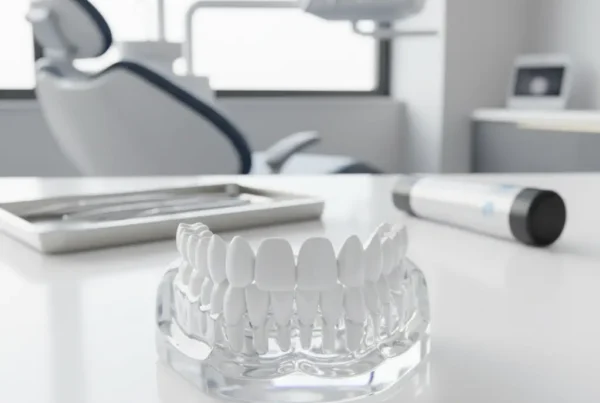

If you are weighing composite against porcelain veneers, the honest answer is that both work well. What separates them is how long they last and what you pay per tooth. Dr. Nazita Gaff at Laguna Heights Dental chooses between the two case by case. Composite runs about $250 to $1,500 per tooth and lasts four to eight years. Porcelain runs $1,200 to $2,500 here and holds up for ten to fifteen.
Most patients from Monarch Point and Niguel Summit arrive leaning toward one material already. Usually they are leaning on price, which is fair but only part of the picture. Five differences matter more than the sticker figure, and this guide walks through each one. By the end you will know which questions to ask at your consultation.
What is the difference between composite and porcelain veneers?
Composite is a tooth colored resin your dentist sculpts onto the teeth in one visit. Porcelain is a ceramic shell made in a dental lab, so it takes two or three. Both bond to the front of the tooth and correct the same set of problems. Chips, gaps, worn edges and discoloration all respond to either material. Small single-tooth repairs are often dental bonding rather than a veneer at all.
That one difference in how they are made drives almost everything patients notice afterwards. Lab work costs more and takes longer, and in return it lasts considerably longer. Resin costs less and finishes in a single afternoon, but it wears sooner. Neither is a watered down version of the other, and they simply suit different cases.
How do composite and porcelain veneers compare on cost and lifespan?
Across Orange County, composite veneers are published between $250 and $1,500 per tooth. Laguna Heights Dental publishes porcelain at $1,200 to $2,500 for the same market. The upfront gap looks large until you count how often each material needs replacing. Set the two side by side across a decade and the picture shifts.
| Feature | Composite veneers | Porcelain veneers |
| Cost per tooth | $250 to $1,500 | $1,200 to $2,500 |
| Visits needed | 1 | 2 to 3 |
| Expected lifespan | 4 to 8 years | 10 to 15 years |
| Stain resistance | Moderate | High |
| Repairability | Repaired at the chair | Usually replaced |
Every figure above is an average, and results vary from one patient to the next. Your own numbers depend on tooth count, the condition of the teeth and your habits. Our treatment cost estimator gives a starting figure before you come in. A written plan replaces that estimate at your consultation, and our in-house dental insurance spreads the cost.
Which veneer material lasts longer in daily use?
Porcelain lasts longer on average, roughly ten to fifteen years against four to eight. The material explains part of that gap, though it is rarely the whole story. Three other factors move the replacement date, and two of them are daily habits you control.
Grinding wears both materials down, and it damages composite noticeably faster than porcelain. Good hygiene protects the seal where the veneer meets your natural tooth. Placement quality decides how well that seal holds from the very first day. A night guard often does more for longevity than the material you chose. Professional teeth whitening lightens neither material, so shade planning happens first.
When is composite the better choice?
Composite tends to win when the case is small, the timeline short or the budget tight. Five situations point toward resin rather than ceramic. None of them rules porcelain out completely, and they simply tip the balance.
- One or two teeth need work rather than the full front set
- You want the whole result finished in a single appointment
- Preserving as much enamel as possible matters to you
- A shorter lifespan is acceptable in exchange for a lower upfront fee
- You want a lower-commitment step before moving to lab made veneers
Porcelain suits the opposite pattern, meaning six to eight teeth and a longer horizon. It also holds its color better if coffee and red wine are daily habits. Porcelain veneers are the usual choice when the whole smile line is rebuilt. Cases that size often become a full smile makeover rather than a veneer case.

Can you switch from composite to porcelain veneers later?
Yes, and plenty of patients do exactly that after five or six years. The composite comes off, the tooth is prepared again and a ceramic shell goes on. Some patients plan for it and treat composite as a first stage. One point deserves saying plainly before you choose either route.
Veneers of any kind involve removing a thin layer of enamel from the tooth. Enamel does not grow back, so that step is permanent whichever material you pick. The American Dental Association groups veneers with cosmetic work rather than restorative treatment. Starting with composite does not avoid the step, though it usually removes less than porcelain. Ask how much enamel your own case needs before anything gets agreed.
What should Laguna Niguel patients ask at a veneer consultation?
Six questions separate a clear treatment plan from a number written on a page. Our Golden Lantern office sits a short drive from Alicia Parkway. Patients come to us from Mission Viejo, Dana Point and Laguna Beach. Most arrive holding a quote with very little context around it.
- How many teeth do you recommend treating, and what decides that number
- How much enamel comes off in my particular case
- What lifespan should I expect given my habits and my bite
- Are temporaries and revisions included inside the quoted fee
- Do you recommend a night guard alongside the treatment
- What happens if a single veneer chips or fails later
The answers tell you far more about a practice than the fee ever does. Cosmetic dentistry in Laguna Niguel covers several routes to the same result. Minor spacing sometimes responds better to Invisalign than to veneers of either kind. Teeth with heavy damage underneath may need dental crowns instead of a veneer.
Choosing the material that fits your case
You came looking for a clear winner and found two reasonable options instead. That is the honest position, because the better material genuinely depends on your teeth. Dr. Nazita Gaff, DMD examines the case before recommending either one. A fourth-generation dentist, she uses digital smile design and bite analysis to plan the result. She will tell you plainly when neither material is the right answer.
The path from here is short for patients across Kite Hill and Sea Country. Book a consultation, then receive an examination and a written plan. Decide afterwards, with composite veneers and porcelain costed side by side. Laguna Heights Dental will walk you through both before you commit to anything. Schedule your consultation today or call (949) 363-1200.