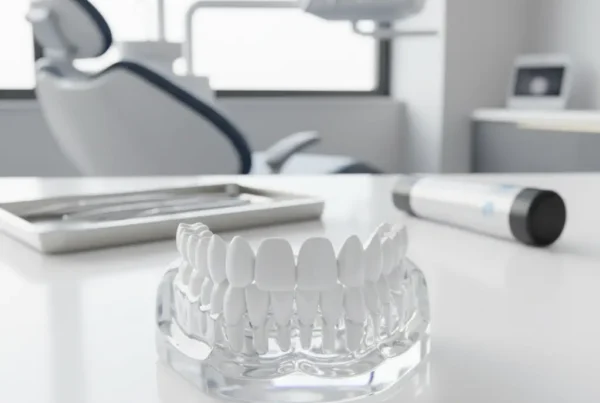

Composite veneers typically last 4 to 8 years before requiring replacement due to wear and staining. Regular dental care, proper oral hygiene, and mindful eating habits can extend their lifespan significantly. Signs of replacement needs include visible staining, chipping, cracking, or increased tooth sensitivity over time. Proactive maintenance and timely replacement ensure continued oral health and aesthetic benefits from veneer investments.
Composite veneers have transformed how we approach smile enhancements, yet it’s essential to understand their limited effective period. Dr. Nazita Gaff at Laguna Heights Dental emphasizes that this awareness is crucial in planning for maintenance and timely replacement. As a fourth generation dentist, she guides patients through understanding the full lifecycle of their composite veneers.
A chief benefit of composite veneers is the ability to improve dental aesthetics with minimal invasiveness. They are crafted to match the natural color and shape of patients’ teeth effectively. This effectively masks discolorations, chips, or gaps while providing an immediate boost in confidence.
Despite their aesthetic advantages, composite veneers are subject to wear over time like any restoration. They are not permanent and require proper care to maintain their appearance consistently. Regular dental hygiene and avoidance of habits like teeth grinding can prolong their lifespan.
The Lifespan of Composite Veneers
The durability of composite veneers is contingent upon dental care habits, dietary choices, and application quality. Understanding these factors helps patients maximize their veneer investment and maintain optimal oral health. Proper care can extend veneer lifespan significantly beyond average expectations through consistent maintenance.
Dental care is paramount in extending the longevity of composite veneers for all patients. Consistent brushing and flossing can prevent the accumulation of plaque and bacteria effectively. This prevents undermining the adhesive bond that could lead to premature deterioration over time.
Diet plays a decisive role in the preservation of veneers’ aesthetics and structural integrity. Consumption of highly pigmented substances, such as coffee, tea, and red wine, may cause staining. Meanwhile, sugary and acidic foods can erode the bonding material and tooth surface underneath.
The initial application of composite veneers lays the foundation for their long term survival. The expertise of the dental professional and use of high quality materials ensure proper fit. Skilled application decreases the likelihood of edge chipping and separation from the tooth structure.
Detecting the Need for Veneer Replacement
Identifying when to replace composite veneers is key to maintaining oral health and aesthetics effectively. Signs that indicate replacement include aesthetic deterioration, functional issues, and the age of existing veneers. Early detection prevents more serious dental problems from developing over time.
Aesthetic deterioration is a clear sign that veneers require professional attention from dental practitioners:
- Stains from foods, drinks, or smoking that resist regular cleaning methods
- Chipping or cracking that mars the seamless appearance of the smile
- Color changes that make veneers appear different from surrounding natural teeth
- Surface roughness or dullness that affects the overall veneer appearance
- Visible gaps or separations between veneers and natural tooth structure
Functional issues such as increased sensitivity or discomfort indicate compromised veneer integrity significantly. Such symptoms suggest that the bonding may be failing or decay is forming underneath. This necessitates professional assessment and likely replacement to prevent further dental problems.
Steps in the Veneer Replacement Procedure
Effective veneer replacement involves comprehensive assessment of oral health, careful removal of old veneers, and precise application of new ones. This ensures optimal function and appearance for long term patient satisfaction. The process requires skill and attention to detail for successful outcomes.
The initial assessment is a critical step in the replacement process for all patients. During this phase, a dental professional examines the condition of existing veneers thoroughly. Issues such as gum disease or tooth decay must be addressed before proceeding.
Once suitability is confirmed, the dentist will proceed with removal of old veneers carefully. This delicate step aims to preserve as much natural tooth structure as possible. All traces of old bonding agent are removed to make way for applications.
The final application of new veneers involves tailoring them to fit individual teeth perfectly. This bespoke creation process considers the natural shape, color, and alignment of teeth. The result is new veneers that both look and function like natural smiles.

Financing Veneer Replacements
Financing veneer replacements requires considering them as an investment in dental health and understanding costs clearly. This enables informed decision making about treatment timing and options for patients. Proper financial planning ensures access to necessary dental care without undue burden.
Viewing veneer replacements from an investment perspective changes the narrative from expense to commitment. Veneers not only enhance smile appearance but also protect tooth surfaces from wear. Patients should recognize that investing in replacements preserves long term health and functionality.
Cost transparency is essential in the financial planning of veneer replacements for patient comfort:
- Detailed breakdowns of costs including preparatory work, materials, and application procedures
- Clear explanations of where investment dollars are allocated throughout the treatment process
- Information about payment plans or insurance coverage options when applicable to situations
- Comparisons of long term value versus upfront costs for informed decision making
- Discussion of potential additional treatments that may be needed for optimal results
Explaining the value of procedures relative to costs aids patients in financial considerations. Patients should understand that while veneer replacements have upfront costs, expenses are offset by longevity. Information on payment plans or insurance coverage supports the decision making process.
Promoting Veneer Durability Post Replacement
To ensure veneers maintain their integrity and appearance after replacement, strict oral hygiene is essential. Regular dental visits for maintenance and adjusted daily habits minimize damage over time. These practices significantly extend the lifespan of newly placed composite veneers.
Maintaining an effective hygiene routine is fundamental for the longevity of all dental veneers. This involves routine brushing with non abrasive toothpaste and gentle flossing around edges. Using mouthwash helps inhibit plaque buildup that could compromise veneer adhesion.
Proactive Strategies to Prevent Premature Veneer Wear
Adopting proactive strategies aimed at minimizing harsh forces can significantly prolong veneer life. Moderating intake of staining substances and maintaining routine dental hygiene helps preserve appearance. These preventive measures protect the investment in composite veneer treatment over time.
Avoiding habits that apply excessive force to teeth is vital for veneer longevity. This includes not using teeth to open packaging or biting very hard foods. For those who clench or grind teeth, using a mouthguard prevents damage during sleep.
Conclusion
Comprehensive understanding and diligent care of composite veneers are essential for maximizing their lifespan effectively. Maintaining their aesthetic and functional benefits requires commitment to proper maintenance and professional guidance. Patient education and compliance play crucial roles in treatment success and satisfaction.
In depth knowledge of expected composite veneer lifespan enables patients to anticipate future needs. Being aware of typical duration these dental solutions last before requiring replacement empowers planning. This allows patients to schedule timely checkups and avoid potential issues from developing.
At Laguna Heights Dental, Dr. Gaff and Dr. Brad Labrecque combine their expertise in advanced dental technology to guide patients through every aspect of composite veneer care and replacement. Ready to learn how proper maintenance can extend your composite veneer lifespan while planning strategically for future replacements? Contact Laguna Heights Dental today to schedule your comprehensive consultation and discover how proactive care ensures your smile investment delivers lasting value and confidence.
Schedule your consultation Today!
Laguna Heights Dental
30231 Golden Lantern, Ste D
Laguna Niguel, CA 92677
(949) 363-1200
https://lagunaheightsdental.com/
See More Reviews From Laguna Height Dental. View information about local places in our community. Get Driving Directions to Our Practice
Frequently Asked Questions
How do I know when my composite veneers need replacing?
Over time, your veneers may show visible signs of wear, such as staining or chipping, or you might experience increased sensitivity. If they’ve been in place for 4 to 8 years, it’s wise to consult with your dentist for a professional assessment.
What can I do to make my veneers last longer?
Good oral hygiene is crucial for veneer longevity. Brush and floss regularly, avoid hard and staining foods, and visit your dentist for routine checkups and cleanings. These habits will help maintain both your natural teeth and veneer integrity.
Is replacing my composite veneers a long process?
The replacement process is detailed but not necessarily long or complicated. Your dentist will assess your current veneers’ health, remove them with minimal invasiveness, and apply new custom made veneers. Discuss the timeline with your dentist to understand your specific treatment plan.