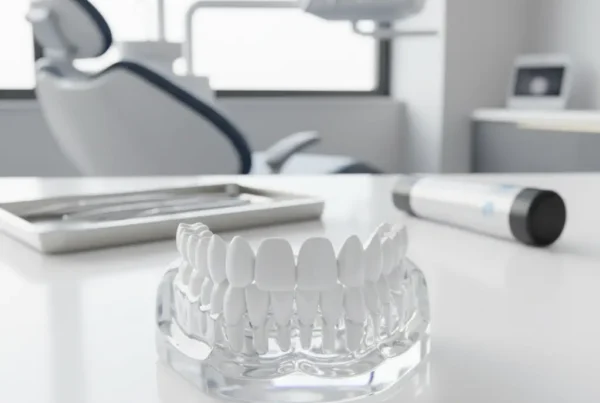


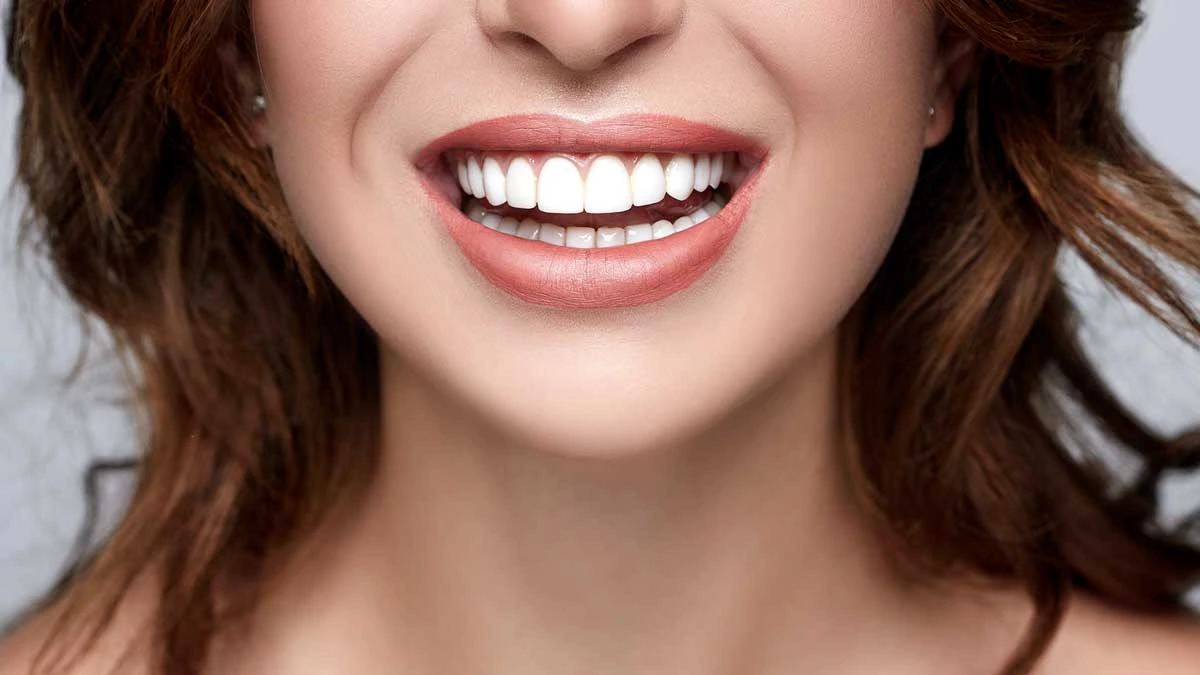
Composite veneers are resin based and can be applied in a single visit, making them ideal for budget conscious patients. Porcelain veneers are crafted from durable ceramic that yields longer lasting aesthetics and reflects light like natural enamel. Composites typically last 5 to 7 years while porcelain veneers can last over a decade with proper care. The choice depends on your budget, time availability, and long term aesthetic goals.
When considering dental veneers, prospective patients often grapple with the decision between composite and porcelain options. Dr. Nazita Gaff, a fourth generation dentist at Laguna Heights Dental, guides patients through this important choice daily by explaining how each option aligns with individual needs and circumstances.
Clarity on what sets each apart can simplify this decision making process significantly. Material differences represent the foundation of understanding these two distinct veneer types. Composites are resin based and offer a seamless look quickly, ideal for moderate budgets.
Porcelain is crafted from a more robust ceramic that yields longer lasting aesthetic results. The application process and timing differ substantially between these two veneer options. Long term outcomes vary considerably, making proper selection crucial for patient satisfaction.
Introduction
Choosing between composite and porcelain veneers involves careful evaluation of their distinct characteristics effectively. Their alignment with your dental health objectives and budget constraints requires thorough consideration. Understanding these differences helps patients make informed decisions about their cosmetic dental investments.
Assessing material composition reveals fundamental differences between composite and porcelain options for patients. The resin makeup of composite veneers allows for a flexible dental solution application. This can be quickly and seamlessly applied, meeting immediate aesthetic needs effectively.
On the other hand, porcelain veneers are made from high end ceramic materials consistently. They not only offer superior durability but also boast an appearance closely resembling natural teeth. This makes them a preferred option for those seeking long term quality results.
Key Challenge Or Risk Area 1
Choosing the appropriate veneer type necessitates understanding the physical properties and longevity of materials. These factors play a pivotal role in meeting the lifestyle and durability preferences. Patient education about material differences helps ensure successful treatment outcomes over time.
Durability of composite veneers makes them optimized for budget conscious patients seeking practical solutions:
- Composite veneers provide a lifespan of 5 to 7 years with proper care
- They show susceptibility to wear and potential for discoloration over time
- More frequent touch ups or replacements may be needed compared to porcelain
- They work well for patients preferring shorter term commitments to cosmetic changes
- Non permanent nature appeals to those wanting flexibility in future dental decisions
This makes them more suitable for those who prefer shorter term commitments to dental aesthetics. They also work well for patients looking for non permanent changes to their smiles.
Key Challenge Or Risk Area 2
When choosing dental veneers, patients must weigh the immediate and long term financial impacts carefully. Composite versus porcelain materials require different economic considerations for treatment planning. The decision must align with economic circumstances and value expectations for optimal outcomes.
Upfront affordability of composite veneers presents an economical option with lower initial costs significantly. This makes them accessible for patients on tighter budgets seeking cosmetic improvements. However, the need for more frequent maintenance or replacement due to wear creates considerations.
Cost efficiency of porcelain veneers involves higher upfront costs but offers long term value. Although the initial investment is steeper, these high quality materials provide lasting commitment. The infrequency of required repairs or replacements can result in lower total expenditure.
Key Challenge Or Risk Area 3
The time investment required for veneer procedures varies significantly between composite and porcelain types. This makes it critical for patients to consider their availability and desire for expediency. Understanding scheduling requirements helps patients choose the option that fits their lifestyle best.
Efficiency of composite veneer application appeals to patients with time constraints or expedited needs. Composite veneers offer the advantage of being applied in a single dental visit. This minimizes disruption to personal schedules and provides swift cosmetic enhancement for busy lifestyles.
Time commitment for porcelain veneer procedures spans multiple visits due to meticulous custom fabrication. With a process that requires lab work, porcelain veneers suit patients willing to invest time. Although this extended timeline requires more personal scheduling considerations, it results in individualized aesthetics.
Actionable Response Or Strategic Solution
To select the most suitable veneer type, a strategic plan must align with individual circumstances. This includes oral health status, aesthetic vision, and financial situation for comprehensive treatment planning. Dental professionals play a vital role in formulating this plan based on distinct needs.
Customizing aesthetic goals represents a key factor in the decision making process for patients. This may involve preferences for a natural appearance or specific shade and shape. Engaging in detailed discussion with a dentist about these goals ensures chosen veneers fulfill results.

Decision Criteria Or Escalation Triggers
Successful veneer selection is contingent on a set of decision criteria that includes multiple factors. This includes evaluation of enamel quality, overall dental health, and intricacy of desired outcomes. Effective diagnostics are key to these evaluations, influencing final recommendations for veneer type selection.
Assessing enamel and structural health represents pivotal factors in treatment planning decisions:
- Advanced imaging techniques like cone beam computed tomography aid in suitability assessment
- The condition of tooth enamel affects the extent of preparation needed
- Existing dental structure integrity influences which veneer type works best
- Minimally invasive procedures are preferred when possible for long term health
- Overall oral health status guides treatment recommendations for optimal outcomes
Understanding aesthetic ambitions also plays a crucial role in veneer selection processes. For individuals seeking highly customized appearance, such as specific color matching or unique translucency considerations. Porcelain veneers could be recommended due to their superior adaptability and customizable properties.
Support Resources Or Professional Guidance
Thorough knowledge of veneer options and their implications is most effectively acquired through consultation. Direct consultation with trained dental professionals provides essential expertise for treatment planning. Their guidance is crucial in crafting treatment plans unique to each patient’s circumstances.
The importance of dental expertise becomes invaluable when considering veneers for cosmetic enhancement. These professionals use their extensive training to evaluate specific oral health needs accurately. They design veneer treatment that supports both dental well being and aesthetic objectives.
Preventive Measures Or Best Practices
Ensuring the longevity and aesthetic appeal of veneers relies on implementing preventive measures consistently. Adhering to best practices in dental care protects the investment in cosmetic treatment. These habits are crucial to sustaining the quality of veneers over their expected lifespan.
Committing to regular dental checkups plays a vital role in the upkeep of veneers. Scheduling routine appointments allows for timely identification and management of potential complications. This secures the continued integrity and appearance of your cosmetic dental investment.
Conclusion
Finalizing the decision on whether to choose composite or porcelain veneers depends on personal factors. This ranges from lifestyle and dental health to financial capacity for treatment. Understanding these factors helps patients make informed decisions about their cosmetic dental investments.
Considering lifestyle needs must take into account individual daily routines and long term expectations. For those leading active lifestyles or needing rapid results, composite veneers might be preferred. Meanwhile, patients seeking more durable solutions might find porcelain veneers align better.
At Laguna Heights Dental, Dr. Gaff and Dr. Brad Labrecque combine their expertise in advanced dental technology to help patients choose between composite and porcelain veneers. Ready to discover which veneer option perfectly matches your lifestyle, budget, and aesthetic goals? Contact Laguna Heights Dental today to schedule your personalized consultation and learn how the right veneer choice can transform your smile while meeting your unique needs.
Schedule your consultation Today!
Laguna Heights Dental
30231 Golden Lantern, Ste D
Laguna Niguel, CA 92677
(949) 363-1200
https://lagunaheightsdental.com/
See More Reviews From Laguna Height Dental. View information about local places in our community. Get Driving Directions to Our Practice
Frequently Asked Questions
What’s the difference between composite and porcelain veneers?
Composite veneers are made of resin and are a quick, cost effective option that may need more upkeep. Porcelain veneers are ceramic, mimic natural teeth better, and are more durable but cost more up front.
How long do each type of veneers last?
Composite veneers typically last 5 to 7 years and may require more maintenance, while porcelain veneers can last over a decade with proper care. This makes porcelain a more permanent solution for long term smile enhancement.
Are veneers worth the investment?
Veneers can significantly improve the appearance of your smile and boost your confidence levels. Depending on your specific needs and how well you take care of them, veneers represent a valuable long term investment in dental health.